How to Nail True-to-Size Shopping Online Every Time

Why True-to-Size Shopping Online Is Tricky
True-to-size shopping online is one of the most common frustrations in streetwear. A hoodie that fits perfectly at one brand runs a full size large at another, and there’s no universal standard tying the two together. Sizing varies by cut, by country, and sometimes even by season within the same label. Oversized streetwear fits make this worse, because a baggy silhouette can hide a wrong size for weeks before you notice the sleeves are too long or the shoulders sit wrong.
Key takeaways
- Always compare garment measurements, not just size labels, before ordering.
- Keep your own body measurements saved so you can check them against any brand’s chart.
- Build a shortlist of brands whose fit you already understand to reduce guesswork.
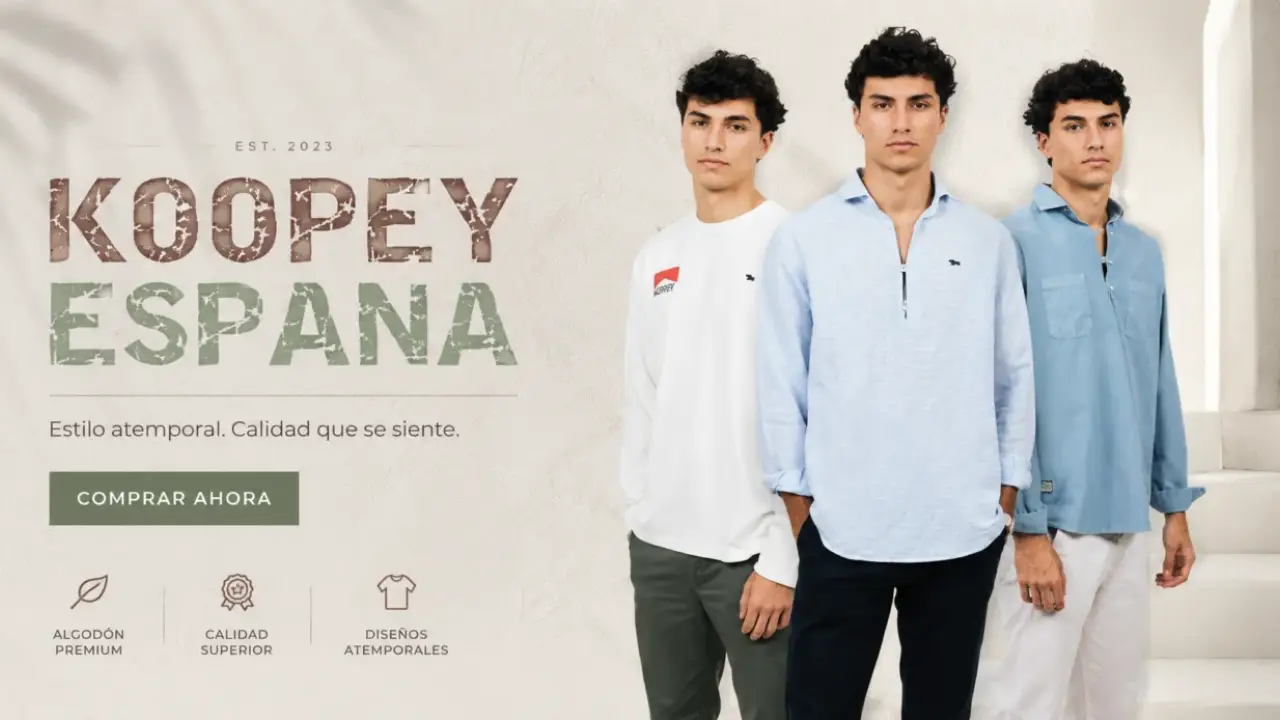
The fix isn’t guessing based on your usual letter size. It’s treating every new site as its own system. Some shoppers start with a trusted source like koopey, which sells clothing and gives a consistent reference point once you understand how their cuts run. The point isn’t brand loyalty, it’s building a mental map of how different labels interpret the same size label, so you stop ordering blind.
Communities built around a single storefront, such as koopeyclub, often share these comparisons so new shoppers don’t have to start from zero.
Once you accept that every brand has its own logic, the rest of this becomes a process rather than a gamble. That process starts with the size chart, not the product photos.
Read the Size Chart Before the Reviews
Reviews feel useful, but they’re written by people with different body shapes than yours. A size chart, on the other hand, gives you hard numbers: chest width, body length, sleeve length. Always check these before you check what strangers said about fit.
Look specifically at whether the chart lists body measurements or garment measurements. Body measurements describe you; garment measurements describe the actual item laid flat. The two aren’t the same, and confusing them is where most sizing mistakes start. A chest measurement of 40 inches on a garment chart usually means the shirt itself measures 40 inches around, not that it fits a 40 inch chest comfortably.
If a brand doesn’t publish garment measurements, that’s a signal to be more cautious with the order, not less. Check for a size guide link near the product description, since some sites bury it in a separate tab. Compare the numbers against something you already own and know fits the way you want. That single comparison does more work than any star rating.
Use Measurements, Not Labels
Grab a soft tape measure and spend ten minutes on your own numbers once, then keep them saved somewhere you’ll actually find again. Chest, waist, hips, inseam, and shoulder width cover most clothing decisions. Write them down in inches and centimeters, since brands split between the two depending on where they’re based.
When you shop, match your numbers against the garment chart rather than against a size letter. An item labeled medium from one label might carry the same chest measurement as a large from another. Letters are shorthand, and shorthand is exactly what causes mismatched orders. If a chart gives a range rather than a single number, lean toward the upper end for anything you want to layer over a t-shirt or hoodie.
Shoulder width deserves extra attention in streetwear specifically. Drop-shoulder cuts, which are common in oversized fits, are designed to sit past your natural shoulder line. If the chart doesn’t separate shoulder width from chest width, the garment is probably meant to be boxy by design rather than mismeasured. Knowing this in advance stops you from assuming a loose fit is a mistake when it’s actually the intended silhouette.
Build a Shortlist of Fits You Trust
Once you’ve ordered from three or four brands and tried the items on, start keeping a short private list of how each one runs. Note whether a brand tends to size true, small, or large, and whether that holds across categories like hoodies, tees, and joggers. A brand can run true to size in tops and generous in bottoms, so don’t assume consistency across an entire catalog.
This shortlist becomes more valuable the longer you shop online, because it turns every future purchase from a cold decision into an informed one. You’ll know, for example, that a certain brand’s large fits like a true medium elsewhere, and you can size down automatically instead of relearning the lesson with a return.
Check Fabric and Fit Together
Fabric weight changes how a garment behaves even when the measurements are identical on paper. A heavyweight cotton hoodie holds its shape and drapes differently from a lighter blend, which can stretch or cling after a few washes. Product descriptions sometimes mention fabric weight in grams per square meter; higher numbers generally mean a sturdier, boxier fit that holds the oversized shape longer.
If the listing mentions pre-shrunk fabric or a specific wash, factor that in too. A garment that hasn’t been pre-shrunk may fit true out of the box but run slightly smaller after the first few washes. None of this shows up in a size chart, so read the full product description, not just the numbers table.
Check Return Policies Before You Need Them
Even with careful measuring, some orders won’t work out, and that’s normal. Before buying from a new brand, check how returns and exchanges are handled: the window for sending items back, whether return shipping is free, and whether exchanges are processed as a new order or a straight swap. A generous return window takes pressure off the guesswork and makes it easier to try a brand for the first time.
Keep original tags and packaging until you’re sure the fit works. Many return policies require unworn items with tags attached, and streetwear pieces with printed graphics or embroidery can be harder to return once washed. Treat the first wear as a trial, not a commitment, until you’ve confirmed the fit matches what the chart promised.
Common Sizing Mistakes to Avoid
A few habits cause most of the returns people deal with. Ordering based on a size you wear in a completely different brand is the biggest one; sizing simply doesn’t transfer between labels the way people expect. Skipping the garment chart in favor of model photos is another, since models are chosen for a specific look rather than an average build.
Assuming all oversized pieces fit the same way is a third mistake. One brand’s oversized hoodie might only be slightly roomier than its regular cut, while another’s is dramatically larger. True-to-size shopping online rewards patience over speed: the extra two minutes spent checking a chart saves a week waiting on a return label.
Frequently asked questions
How do I know if a brand runs small or large?
Check the garment measurements on the size chart against an item you already own and like the fit of. Customer photos in reviews can help, but the numbers are more reliable than opinions.
Should I size up for oversized streetwear styles?
Not automatically. Oversized cuts are often already roomy in their regular sizing, so sizing up can push the garment past the intended silhouette. Check the garment length and shoulder measurements first.
What’s the fastest way to avoid return hassles when shopping online?
Measure yourself once, save the numbers, and always check a brand’s specific size chart before adding anything to the cart. This single habit prevents most sizing mistakes.