Choosing the Right Fit for Your Body Type in Streetwear

Why the Right Fit Matters More Than the Trend
The right fit for your body type is the single biggest factor in whether an outfit looks put together or just thrown on. Streetwear gets blamed for being baggy and shapeless, but the best looks in this style are the ones where the wearer understood proportion first and trend second. A hoodie that swallows your frame or jeans that pool at the ankle can undo an otherwise good outfit in seconds.
Key takeaways
- Balance proportions by pairing loose pieces with more structured ones rather than going oversized everywhere.
- Check how clothes move, not just how they look standing still, before deciding a fit works.
- Know your own shoulder, waist, and leg proportions before shopping so you can skip pieces that won’t work.
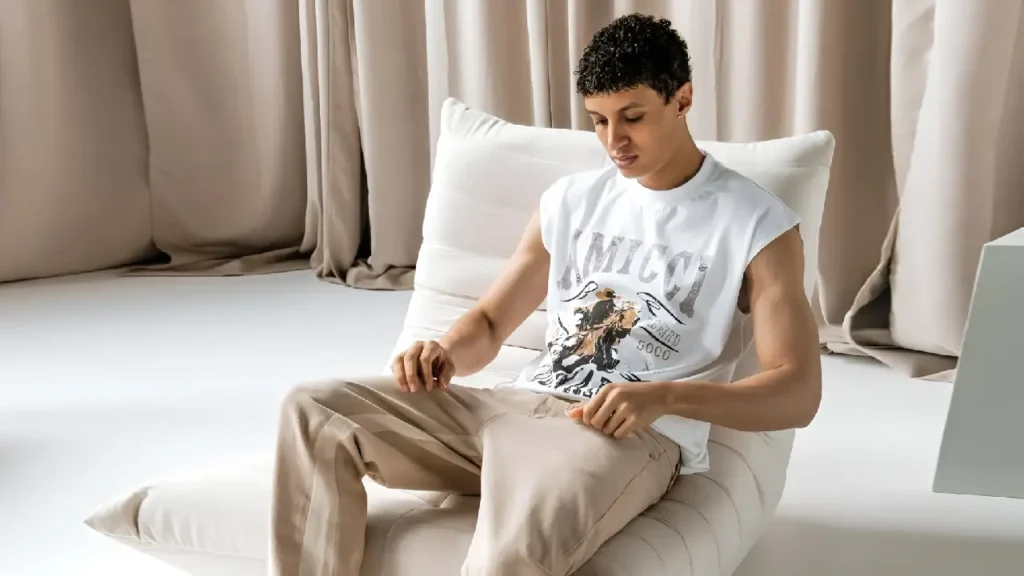
Start by thinking about balance rather than size alone. If you wear something oversized on top, the bottom half needs a bit more structure to keep you from looking like you borrowed your clothes. If your frame is lean, a slightly roomier cut through the shoulders can add presence without looking costume-y. Tall guys often fight sleeve length; shorter guys often fight hem length. Both are fixable with a tailor or by picking brands that cut closer to your actual proportions instead of a generic average.
None of this means streetwear has to be fitted and stiff. It just means every piece should land somewhere intentional on your body, not random. Shoulders that sit where your shoulders actually end. Sleeves that stop where your wrist begins. A hem that doesn’t cut your leg in half. Small details, big difference.
Reading Your Own Proportions Before You Shop
Before buying anything, stand in front of a mirror in just a t-shirt and jeans you already own and like. Notice where your waist sits relative to your hips, how wide your shoulders are compared to your chest, and whether your legs look longer or shorter than your torso. This five minute check saves you from guessing in a fitting room later.
Guys with broader shoulders and a narrower waist usually look best in pieces that don’t add bulk at the chest, since the natural taper is already doing work for them. A straight or slightly tapered pant balances that top half nicely. Guys with a straighter, more rectangular build can use layering and texture, like a shirt under a jacket, to create shape that isn’t there naturally. If you carry more weight around the middle, avoid clingy knits and look for structured outerwear that sits away from the body instead of hugging it.
Leg length matters just as much as torso shape. Shorter legs look longer in a higher rise and a slim or straight leg rather than anything wide and long. Longer legs have more room to experiment with looser cuts without losing proportion. None of this is about hiding your body. It’s about dressing the one you actually have.
Layering and Silhouette Tricks That Actually Work
Layering is where most fit mistakes happen, because people add pieces without checking how the lengths interact. A simple rule: each layer should be slightly shorter or slightly longer than the one underneath, never the exact same length, or the whole outfit reads flat. A crewneck under an open jacket should peek out at the hem, not disappear.
Vertical lines are your friend if you want to look taller or leaner. A zip-up jacket worn open, a longline tee, or trousers with a clean front crease all draw the eye up and down instead of side to side. Horizontal elements, like a wide color-blocked hoodie or chunky cargo pockets, can add width where you want it, which is useful if you’re lean and trying to look broader through the shoulders or chest.
Fabric weight changes how a silhouette reads too. Heavy cotton holds its shape and can make a loose fit look deliberate rather than sloppy. Thin, clingy fabric in the same loose cut tends to collapse and look unfinished. When you’re testing fit in a store or at home, move around in it. Sit down, raise your arms, walk a few steps. A fit that only looks good standing still isn’t actually working for you.
Shopping Smart for Your Shape
Once you know your proportions, shopping gets faster because you can skip pieces that were never going to work. Look at a brand’s actual cut before the photos on a model, since sizing varies a lot between labels even within the same category. Reading the product description for shoulder width, inseam, and fabric weight tells you more than a lifestyle photo ever will.
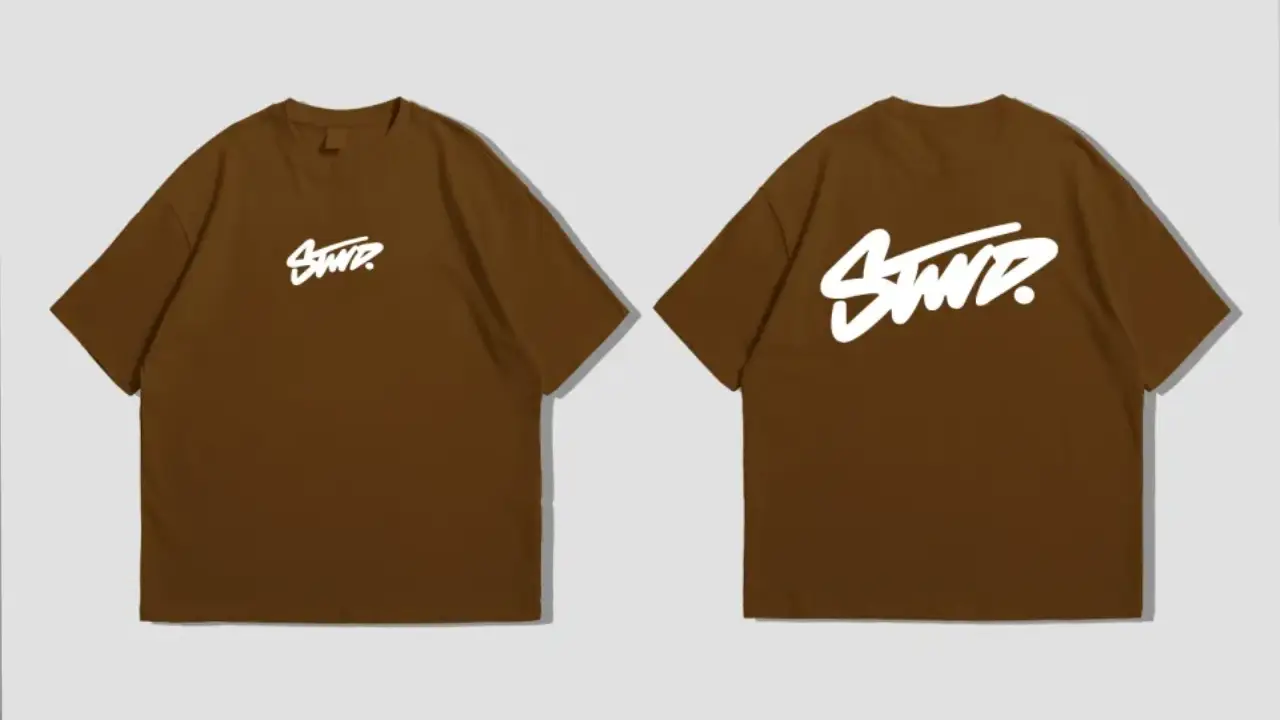
If you’re building out a wardrobe, picking a small range of trusted labels makes fit consistency easier to manage. For example, if you’re after relaxed pants with a proper tapered leg, stwd carries pieces built around stwd that fit that silhouette without going shapeless, which is useful when you already know your proportions and want less guesswork. That kind of consistency matters more than chasing a new drop every season.
Try things on with the rest of your usual outfit, not alone. A jacket that looks fine over nothing might sit completely differently over a hoodie. When a size feels borderline between two options, size for your shoulders and chest first on tops, and your waist and hip first on bottoms, then adjust length with a tailor if needed. It’s worth checking how pieces from the stwd brand collection actually sit once layered, since that’s closer to how most people wear them day to day. Fit this carefully once and the rest of your shopping gets a lot simpler.
Frequently asked questions
How do I know what fit actually suits my body type?
Stand in front of a mirror in clothes you already like and note where your shoulders, waist, and legs sit in proportion to each other. Use that as your baseline when trying new pieces, paying attention to shoulder seams, hem length, and how the waist sits.
Is oversized streetwear flattering for every body type?
Not automatically. Oversized pieces work best when balanced with something more fitted elsewhere in the outfit, like a slimmer pant under a loose jacket, so the whole look doesn’t read as shapeless.
Should I size up or down if I’m between two sizes?
For tops, size based on your shoulders and chest since that’s the hardest part to fix later. For bottoms, size based on your waist and hips, then have the length adjusted by a tailor if needed.