Streetwear on a Budget Without Sacrificing Style

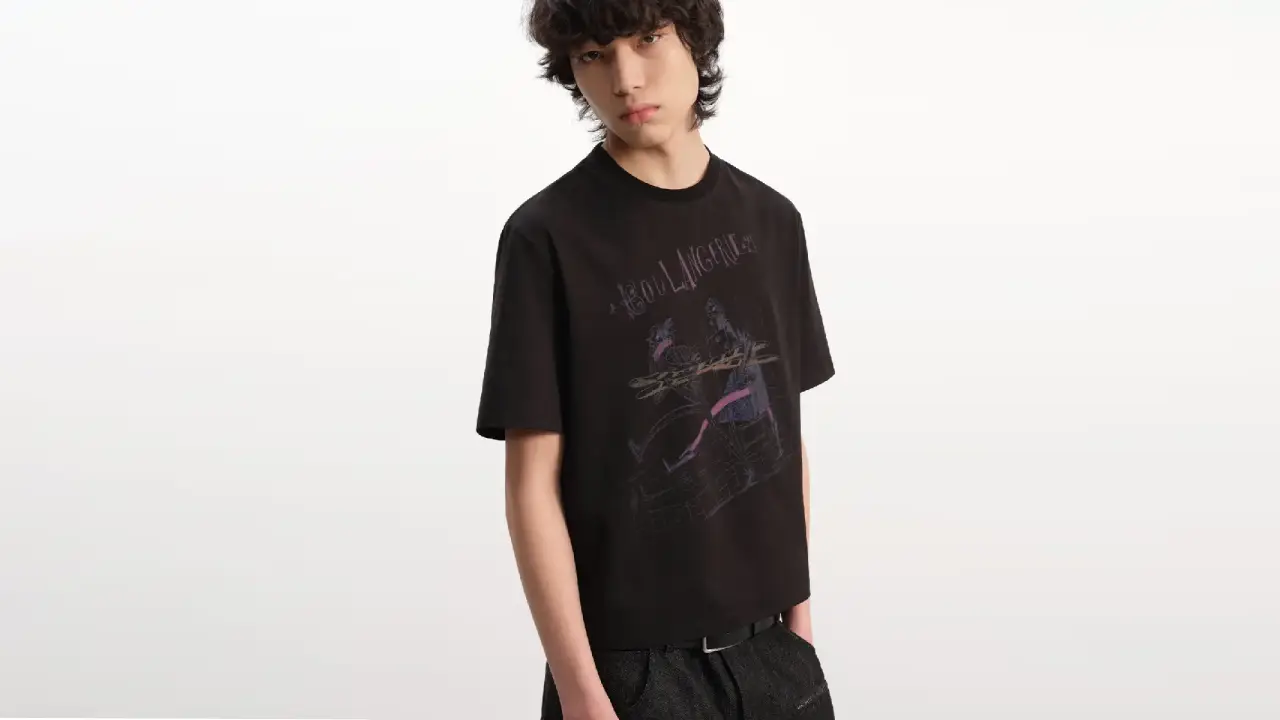
Building a Streetwear on a Budget Foundation
Streetwear on a budget starts with knowing what actually carries an outfit. You don’t need ten graphic tees and three pairs of expensive sneakers to look put together. You need a handful of pieces that fit well and that you’ll reach for constantly: a clean crewneck, a pair of straight leg jeans or joggers, one solid jacket, and shoes that aren’t falling apart. Once that base exists, everything else is just seasoning.
Key takeaways
- A small rotation of well fitted basics beats a closet full of random cheap pieces.
- Mixing one considered item with plain basics creates contrast that reads as expensive.
- Details like clean shoes, matched laces, and color discipline cost nothing but change how an outfit looks.
For the opening basics, I’ve pointed readers toward jcaesar more than once, since it’s a straightforward source for clothing without the markup you’d expect from bigger names. The goal isn’t to chase logos. It’s to build a small rotation of pieces that all work together, so getting dressed on a Tuesday morning doesn’t require thinking.
Fit matters more than price here. A ten dollar t-shirt in the wrong size will always look worse than a fifteen dollar one that actually sits right on your shoulders. Before buying anything new, check what’s already in your closet that could be re-tailored or just worn differently. Rolling a cuff or tucking a shirt can change how a whole outfit reads, and it costs nothing.
Mixing High and Low Pieces
The trick to looking expensive on a small budget is contrast, not consistency. Pair one item that looks a little more considered with pieces that are plain and cheap, and the whole outfit borrows credibility from that one piece. A structured jacket over a basic tee does more work than five mediocre pieces stacked together.
This is where thinking about texture and silhouette pays off more than thinking about brand names. Corduroy, waxed cotton, and heavier knits read as more expensive than they cost, purely because of how they catch light and hold shape. If you’re building out layers for colder months, look for one heavier piece, like a shell jacket or an overshirt, and let cheaper basics do the rest of the work underneath it.
Proportion is the other lever. Baggier trousers with a fitted top, or a boxy jacket with slim jeans, create the kind of silhouette that reads as intentional rather than thrown together. This costs nothing extra. It’s just a matter of paying attention to how pieces sit against each other rather than buying them in isolation. Streetwear on a budget rewards people who think in outfits, not single items.
Where to Shop Smart
Budget streetwear shopping works best when you split your spending into two categories: basics and statement pieces. Basics, like plain tees, hoodies, and socks, should always be bought cheap, because they wear out fast and don’t need to be memorable. Statement pieces, like a jacket or a distinctive pair of shoes, are worth spending a bit more on since they’ll anchor several outfits over a longer stretch of time.
Independent shops are often a better bet than big chains if you’re trying to avoid the exact same outfit as everyone else on your street. Sites like jceasar tend to carry clothing that hasn’t been flattened by mass production trends, which matters if individuality is part of why you dress the way you do in the first place.
Secondhand and resale platforms are worth checking too, especially for outerwear, which holds its shape and quality longer than most other garments. A used jacket from a decent brand will usually outlast three cheap new ones. Rotate your shopping between new basics and secondhand statement pieces, and your cost per wear drops fast without your outfits looking cheap.
Styling Tricks That Make Cheap Look Expensive
Small details separate a put-together outfit from one that just looks like clothes were grabbed at random. Matching your shoelaces to your outfit, keeping your sneakers clean, and ironing out obvious creases take five minutes and change how everything reads. None of this costs money. It’s just attention.
Color discipline helps too. Sticking to two or three colors per outfit, rather than five, makes even cheap pieces look coordinated rather than accidental. Neutral tones like black, grey, olive, and off white are easiest to mix and match, which means fewer purchases overall and less risk of an outfit clashing.
Accessories are the cheapest way to update a look without buying new clothes. A beanie, a crossbody bag, or a simple chain can shift the mood of an outfit you’ve worn a dozen times already. Some shoppers browsing jcaesar studio pick up smaller accessory pieces for exactly this reason, since they stretch a wardrobe further without much extra cost.
Streetwear on a budget isn’t about limitation. It’s about being deliberate with a smaller number of choices, so every piece earns its place in your rotation.
Frequently asked questions
How much should I spend on streetwear basics?
Keep basics like tees, socks, and plain hoodies cheap since they wear out quickly. Save any extra budget for one or two statement pieces, like a jacket or shoes, that you’ll wear across many outfits.
Can secondhand pieces work for streetwear?
Yes, secondhand outerwear especially holds up well and often looks better made than cheap new alternatives. It’s one of the easiest ways to add a quality piece without paying full retail.
What’s the fastest way to make a cheap outfit look better?
Stick to two or three colors, keep your shoes clean, and pay attention to fit and proportion. These small adjustments cost nothing and make a bigger visual difference than buying more clothes.