A Streetwear Buying Checklist Every Shopper Should Use


Why You Need a Streetwear Buying Checklist
A streetwear buying checklist stops you from buying things you’ll regret. It’s easy to get pulled in by a bold graphic or a limited drop, then find the piece sits unworn after two outings. Before you add anything to your basket, ask what it’s actually for: layering, a statement piece, or a basic you’ll wear weekly. Streetwear works best when pieces talk to each other, not when each one shouts on its own. A checklist forces you to slow down for thirty seconds and think about how a new item will actually live in your closet, rather than how it looks in a single photo.
Key takeaways
- Check fit against your current wardrobe, not a lookbook model, before buying anything new.
- Fabric weight and seam quality tell you more about longevity than price alone.
- Denim ages differently from other pieces, so compare washes and weights before committing.
- Only buy pieces you can picture wearing in at least two or three different outfits.
- Split your budget by category (outerwear, tees, denim) to avoid overspending early in a shopping trip.
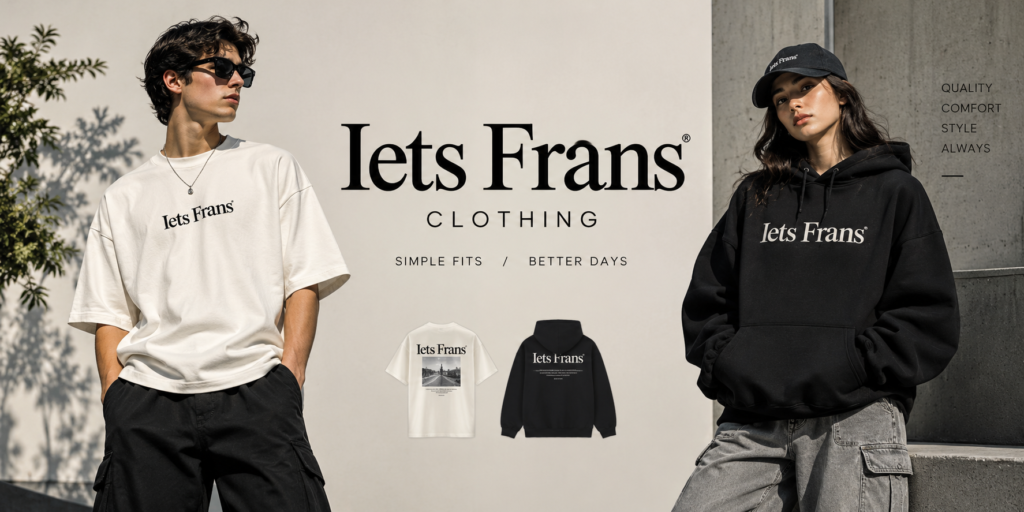
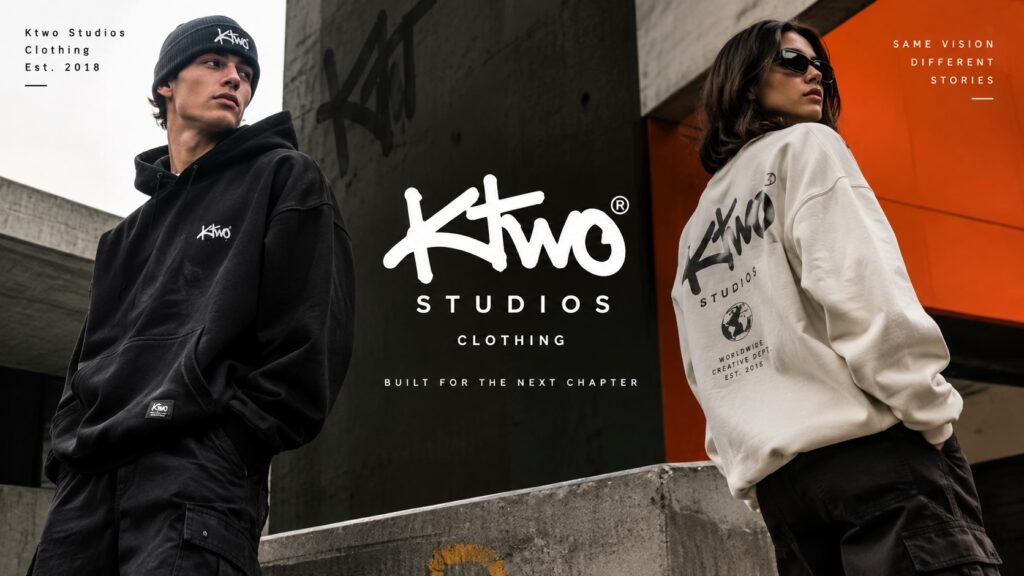
Start by checking fit against your current wardrobe, not against a model in a lookbook. Oversized hoodies and wide trousers only look right when the proportions balance somewhere else on your body. If the top is boxy, the bottom usually needs to be slim or tapered, and if your trousers are wide, a cropped or regular-length top keeps the silhouette from swallowing you whole. If you’re new to a brand, browsing a full range in one place helps you compare cuts quickly. A site like handsome boys club lays out clothing in a way that makes this kind of comparison easier, since you can see hoodies, tees and outerwear side by side rather than hunting across tabs.
Check the Fabric and Construction Before Fit
Fabric weight tells you more about longevity than any marketing copy. Heavier cotton holds its shape through washes, while thin, loosely knit fabric pills and loses structure after a handful of wears. Run your fingers over the seams if you’re shopping in person, or zoom into product photos if you’re buying online. Clean, even stitching on cuffs, hems and pockets usually means the rest of the garment was made with the same care. Loose threads or crooked seams in photos are a warning sign, even if the price looks reasonable.
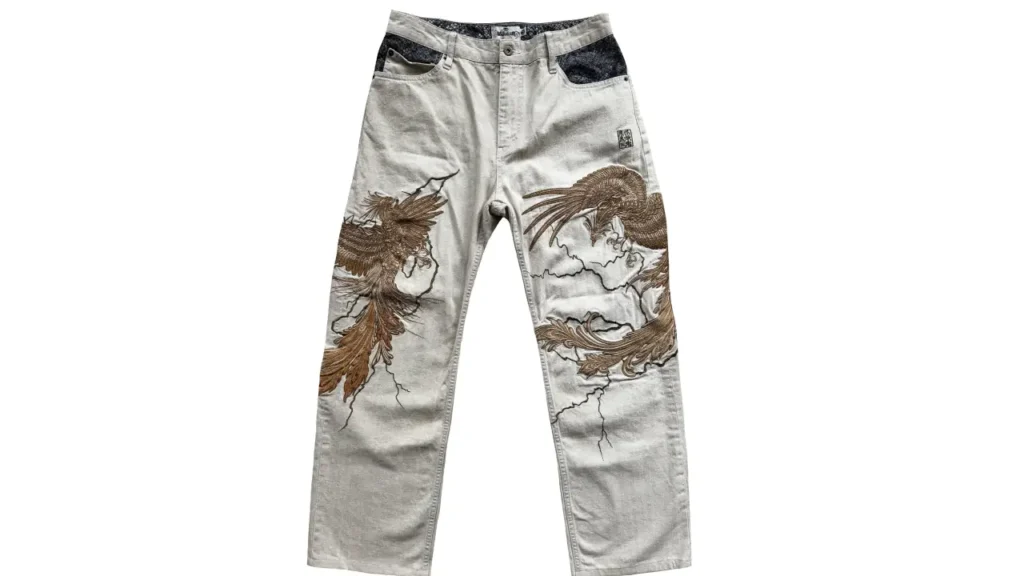
Denim deserves its own line on any streetwear buying checklist, since it ages differently from everything else in your wardrobe. Raw or selvedge denim stiffens at first and softens with wear, while pre-washed denim is more forgiving from day one but won’t develop the same fade pattern over time. If you’re building out a denim rotation, it helps to compare a few weights and washes before committing, which is where a dedicated denim selection, like the one at handsome boys club denim, makes the decision easier than scrolling through a mixed catalogue.
Think About How Often You’ll Actually Wear It
Limited drops and collaboration pieces are fun, but they’re not always practical. Before buying something because it’s rare, picture three outfits you’d build around it. If you can only imagine wearing it once, with one specific pair of shoes, it’s probably going to sit folded in a drawer. Pieces that earn their place in a wardrobe are usually the ones that pair with at least two or three things you already own, whether that’s a neutral hoodie, a pair of cargo trousers, or a jacket you reach for constantly.
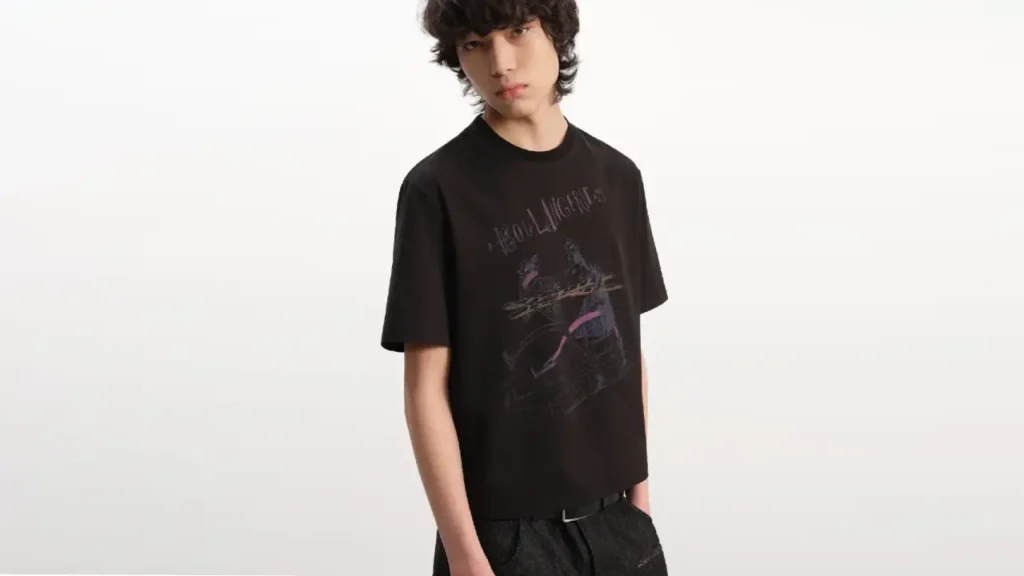
Color is another practical filter. Building around a core of black, white, grey and one or two accent colors makes it far easier to mix new purchases into your existing rotation. A loud graphic tee in an unusual colorway might look great on its own, but if nothing else in your closet complements it, you’ve bought a one-outfit item rather than a wardrobe piece.
Set a Budget and Stick to Category Limits
Finally, set a rough budget before you browse. Streetwear pricing varies wildly, and without a number in mind it’s tempting to justify every purchase as a one-off treat. It helps to split your budget by category rather than setting one lump figure: a certain amount for outerwear, a smaller amount for tees, and a reserve for denim or footwear. This stops you from overspending on impulse buys early in a shopping session and running short when you reach the piece you actually came for.
It’s also worth tracking what you already own before adding more. A quick mental inventory, or even a photo of your closet, shows you gaps that are worth filling versus categories where you already have plenty of options. Streetwear shopping works best as an ongoing, considered process rather than a single big haul, and a simple checklist like this one keeps every purchase intentional instead of reactive.
Frequently asked questions
What is the most important item on a streetwear buying checklist?
Fit against your existing wardrobe matters most. A piece that doesn’t balance with what you already own, in proportion or color, tends to go unworn no matter how good it looks alone.
How can I tell if a streetwear piece is good quality before buying?
Look at fabric weight and seam stitching. Heavier, tightly woven fabric and even, clean seams usually hold up better over repeated washes and wear than thin, loosely finished garments.
Should I buy limited streetwear drops?
Only if you can picture building two or three real outfits around the piece. Rarity alone doesn’t make something wearable, and one-outfit items tend to sit unused in a drawer.
How should I budget for streetwear shopping?
Split your total budget by category, such as outerwear, tees and denim, instead of setting one lump sum. This keeps you from overspending early and running short on pieces you actually need.