How to Style Matching Sets and Co-ords for Streetwear

Why Matching Sets Work in Streetwear
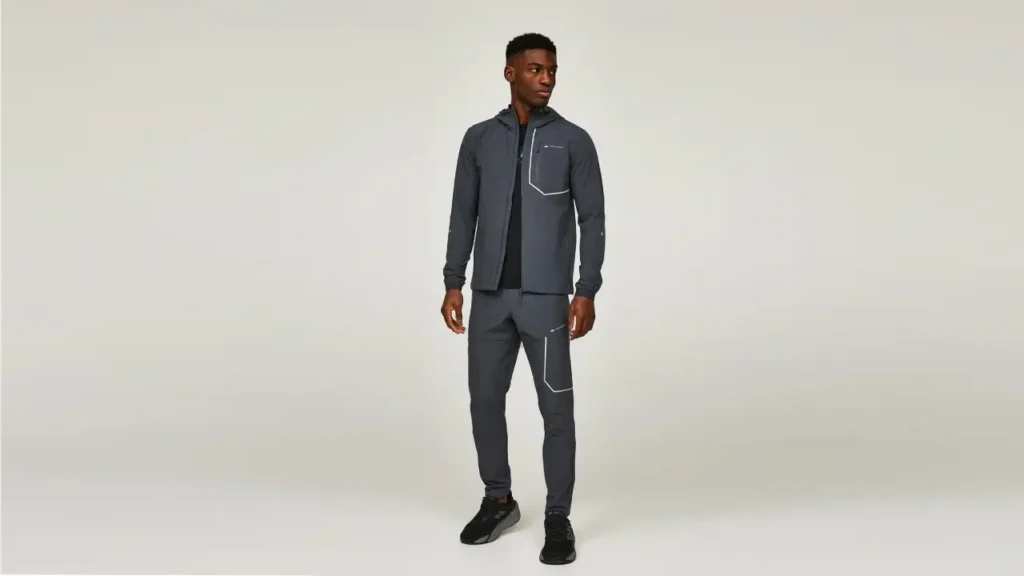
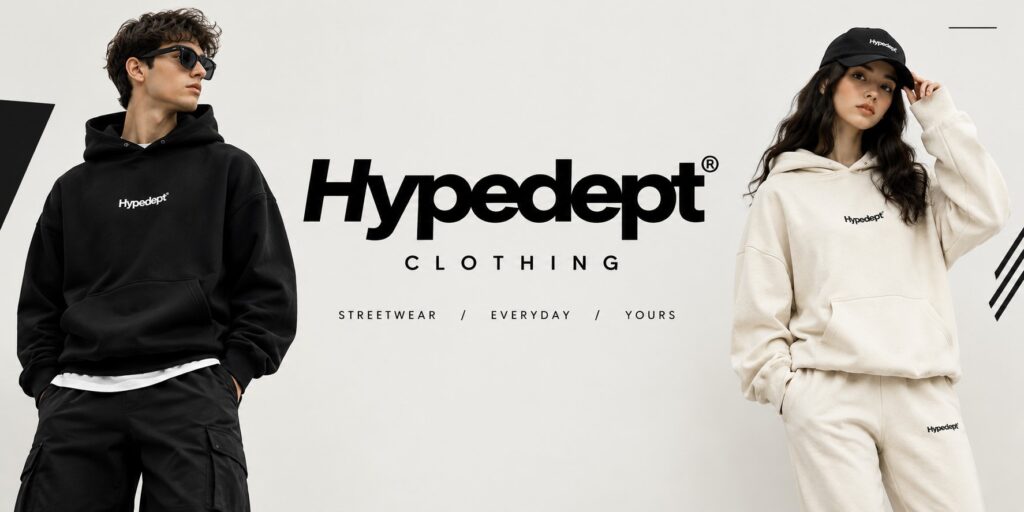
Matching sets have become one of the easiest ways to build a streetwear outfit without overthinking it. When the top and bottom are cut from the same fabric and color, the proportions are already worked out for you, which takes a lot of guesswork out of getting dressed. That’s part of why co-ords have stuck around in streetwear longer than most trends: they look deliberate even when you’ve put in almost no effort. A hoodie and sweatpants set, a tracksuit, a matching shirt and shorts combo, all of these read as put-together the moment you zip up the jacket or pull on the bottoms. For readers shopping for their first set, a shop like viracocha sells clothing that can work as a starting point for building out a collection of pieces that pair well together. The key is picking a set that fits your body rather than buying based on the outfit photo alone. Oversized tops paired with slightly tapered bottoms tend to look more intentional than fully boxy silhouettes top to bottom. Matching sets also travel well, since you know the pieces coordinate without needing to think about it, which matters if you’re packing for a trip or just want a reliable outfit for a busy week.
Key takeaways
- Pick matching sets with a fabric weight suited to the season, mid-weight for versatility across spring and fall.
- Break up co-ords and wear the pieces separately to get more outfits out of one set.
- Build a small capsule of basics, jackets, and shoes around two or three sets to avoid repetitive outfits.
Choosing Fabric and Fit for the Season
Fabric weight changes how a set reads. Heavyweight fleece or French terry gives matching sets a bulkier, colder-weather look, which suits layering under a jacket in winter. Lighter cotton or jersey blends work better for spring and early fall, when you want the look of a coordinated outfit without overheating. If you’re buying a set to wear across seasons, go for a mid-weight fabric and plan to layer pieces over or under it rather than relying on one set to do everything.
Fit matters just as much as fabric. A set that’s too tight on both pieces can look dated fast, while one that’s oversized everywhere can swallow your frame. A common approach in current streetwear is to keep the top relaxed and the bottom slightly more fitted, or vice versa, so there’s some shape to the silhouette. Pay attention to how the waistband sits and whether the cuffs on the sleeves and ankles are ribbed or loose, since that detail changes how formal or relaxed the whole outfit looks. Try the set on together before deciding on a size, since brands cut tops and bottoms differently even within the same release.
Breaking Up the Set for More Outfits
One mistake people make with matching sets is only ever wearing them as a full set. Splitting the pieces up doubles the wardrobe value instantly. Wear the hoodie from a set with regular jeans, or pair the sweatpants with a plain tee and a jacket. This also avoids the “matching tracksuit” look every single day, which can start to feel repetitive if it’s the only way you style the pieces. Neutral colored sets, think gray, black, off-white, or navy, are the easiest to break apart because the individual pieces will match almost anything else already in your closet.
Accessories help a set feel less uniform too. A cap, a crossbody bag, or a pair of boots in a contrasting texture breaks up the visual sameness of wearing one color top to bottom. Rolling the sleeves or cuffing the pant legs also adds a bit of shape to an otherwise simple outfit. If the set has a logo or graphic on the top, keep the bottoms plain so the look doesn’t feel cluttered. Small adjustments like these are what separate an outfit that looks lazy from one that looks considered, even though the base pieces are identical.
Building a Capsule Around Co-ords
If matching sets are going to be a regular part of your rotation, it helps to think of them as the backbone of a small capsule rather than a one-off purchase. Pick two or three sets in different weights and colors, then build a handful of layering pieces around them: a plain jacket, a couple of basic tees, one pair of jeans, and a pair of sneakers that work with everything. This keeps the wardrobe simple without feeling repetitive, since each set can be mixed with the same core pieces in different combinations. Brands that focus specifically on streetwear basics, including viracocha clothing, can be a useful reference point when you’re trying to figure out what a cohesive set looks like before building your own combinations. Keep receipts and tags until you’ve tried the set with at least two other outfits, since sizing on matching sets can run differently than single pieces. Over time, the goal is to have sets you reach for without thinking twice, paired with basics that never clash. That’s really the appeal of co-ords in streetwear: less decision fatigue, more consistent results, and outfits that still look like you put thought into them.
Frequently asked questions
Are matching sets still in style for streetwear in 2026?
Yes, matching sets remain a reliable streetwear staple because they simplify outfit building. The trend has shifted slightly toward mixing set pieces with separates rather than always wearing the full set together.
How do you keep a matching set from looking too uniform?
Break up the top and bottom with different pieces on different days, or add accessories like a cap or bag in a contrasting texture. Rolling sleeves or cuffing pant legs also adds shape to the silhouette.
What fabric is best for a year-round co-ord set?
A mid-weight cotton or French terry blend works best across seasons since it can be layered under a jacket in colder months and worn alone when it warms up.