Building a Capsule Wardrobe Around a Versatile Tent

Why a Capsule Wardrobe Works for Camping Trips
A capsule wardrobe is a small, tight set of clothes that mix and match without fuss, and it earns its keep the moment you start camping regularly. Instead of packing a bag full of options you never wear, you build around five or six pieces that layer well, dry fast and look decent whether you are cooking breakfast or walking into town for supplies. The same logic applies to your shelter. If your tent setup is flexible enough to handle a weekend at a festival or a week on the coast, you stop overpacking clothes to compensate for gear that only does one job. Shops that focus on outdoor tents, like oex, tend to sell kit built with that flexibility in mind, which frees you to think about clothing the same way. Start with a base layer top, a mid layer, a shell, one pair of trousers that convert or roll up, and shoes that handle wet grass and dry pavement equally well. Everything else is a variation on those five categories. The goal is not minimalism for its own sake. It is having clothes that pull double duty so your bag stays light and your outfit choices stay simple, even when the weather flips twice in one afternoon.
Key takeaways
- A capsule wardrobe for camping works best when built around five flexible pieces: base layer, mid layer, shell, trousers and shoes.
- Choosing a versatile tent setup reduces how many clothing backups you need to pack for changing weather.
- Rotate the same capsule structure through the seasons instead of rebuilding your kit from scratch each trip.
Layering for Shelter and Weather Together
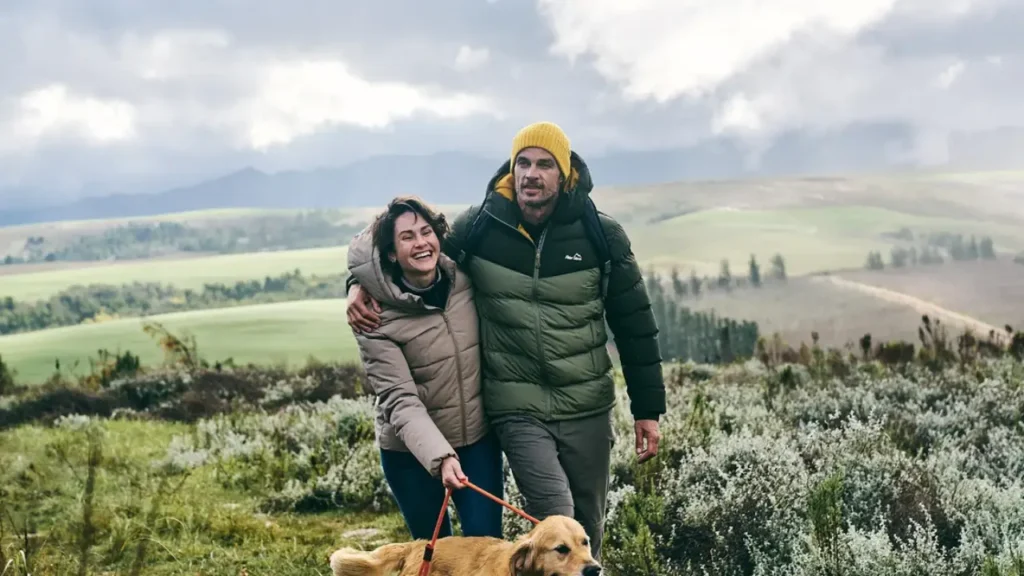
Once you treat your tent and your clothes as one system, packing gets easier. A roomy, well ventilated setup means you are not sweating through your base layer at 2am, so you can bring one fewer top. A tent that handles wind properly means your shell stays dry for the walk to the car park instead of getting soaked overnight. If you are looking at options that raise you off the ground and improve airflow, something like the oex roof tent changes how you dress in the morning too, since you are not crawling out onto damp grass in bare feet. Pack a merino or synthetic base layer that resists odor over several wears, a fleece or light insulated mid layer for evenings, and a waterproof shell that packs small. Trousers should be tough enough for firewood and rock scrambling but not so heavy they take two days to dry. Add a beanie and gloves even in warmer months, since temperatures drop fast once the sun goes and a good shelter only helps so much if you are underdressed. Color-wise, stick to two or three shades that all work together so nothing clashes when you throw on whatever is dry first.
Footwear, Accessories and the Small Details
Footwear makes or breaks a camping capsule. One pair of proper hiking boots and one pair of light trainers or sandals covers most trips, and both should be broken in before you leave, not tested for the first time on a trail. Socks matter more than people admit: pack more pairs than you think you need, since wet feet ruin a trip faster than bad weather. For smaller gear, compact and reliable extras earn their space fast, and a compact setup such as the oex phoxx 2 shows the kind of thinking worth applying to your own kit, where size and usefulness matter more than looks. A dry bag for electronics, a headtorch, and a multi-tool round out the essentials without adding bulk. Accessories should double up where possible: a buff that works as a neck warmer, hat or dust mask; a belt that holds a small pouch. Avoid anything single-purpose unless it is genuinely critical, like a first aid kit. The fewer decisions you have to make at 6am in a cold tent, the better the whole trip goes.
Rotating the Capsule Through the Seasons
A capsule wardrobe should flex with the season rather than get rebuilt from scratch every few months. In spring and autumn, add a packable insulated jacket and swap heavier trousers for something water resistant but breathable. Summer trims things down to a light base layer, shorts, and one warm layer for cool nights near water. Winter camping needs a proper insulated layer and thermal base layers, but the structure stays the same: base, mid, shell, bottoms, footwear. Keep a small dedicated box or packing cube for each season’s extras so you are not rethinking the whole system every trip. Review your capsule wardrobe once a year and retire anything that has not been worn in two seasons, since gear you do not use is just weight and clutter. The same discipline applies to your tent and shelter choices: buy versatile pieces that handle several conditions rather than a different setup for every trip. Done well, a capsule wardrobe built around dependable shelter means less time packing and more time actually outdoors, which is the whole point of camping in the first place.
Frequently asked questions
How many pieces should a camping capsule wardrobe include?
Most people can cover a weekend trip with five or six core pieces: a base layer, mid layer, waterproof shell, one pair of trousers, and one pair of sturdy shoes. Add socks, a hat and gloves as small extras rather than counting them as separate outfits.
Does a better tent really reduce how much clothing I need to pack?
Yes. A tent with good ventilation and weather resistance keeps you from sweating or getting damp overnight, which means you need fewer backup layers. It also keeps your gear dry, so you are not packing spare clothes just in case something gets soaked.
What fabrics work best for a camping capsule wardrobe?
Merino wool and synthetic blends dry fast and resist odor, which matters when you are rewearing pieces over several days. Avoid heavy cotton, since it holds moisture and takes far too long to dry between uses.