Layering Techniques for Streetwear Outfits That Actually Work in Cold Weather


Layering techniques are the backbone of any streetwear outfit that looks put together instead of thrown on. The idea isn’t just about staying warm, it’s about building texture, proportion and contrast into a look using pieces you probably already own. A lot of people bulk up for winter and end up looking like they’re wearing a sleeping bag. The fix isn’t fewer layers, it’s smarter ones. For a quick reference point on basics, a shop like hypedept carries clothing that works well as a foundation piece under something heavier.
Key takeaways
- A slim, neutral base layer gives the rest of your outfit room to work without adding bulk.
- Mid layers like hoodies should contrast in texture with your outer layer, not just color.
- Footwear weight and accessory choices should balance against how many layers you’re wearing.
Start With a Base Layer That Actually Fits
The base layer is the piece closest to your body, usually a t-shirt or a thin long sleeve. This is where most people go wrong with layering techniques because they grab whatever’s clean instead of thinking about fit. A base layer that’s too loose will bunch up under a jacket and add bulk in the wrong places. You want something slim, almost second-skin, so everything stacked on top has room to breathe.
Stick to lighter fabrics here. Cotton works fine for mild days, but if you’re layering for real cold, a thin technical fabric underneath keeps you warm without adding thickness. Color matters too. A neutral base, white, black, grey, gives you more flexibility with what goes over it. Save the loud graphic tee for a layer people can actually see.
Think of the base layer as structural, not decorative. It sets the silhouette for the rest of the outfit. If it’s wrinkled, stretched out, or the wrong size, no amount of styling on top will fix that. Get this part right and the rest of the outfit has something solid to build on.
The Mid Layer Is Where Layering Techniques Get Interesting
This is the layer that does most of the visual work. A hoodie, flannel, or sweatshirt sits here, and it’s usually the piece people notice first. The trick with mid layers is picking something with enough room to sit comfortably over your base without looking stuffed, but not so oversized that it swallows your frame.
Zip-up styles are useful in this slot because they give you an easy way to adjust warmth and show off what’s underneath. The hypedept zip up hoodie is a decent example of the kind of mid layer that works half-zipped over a tee, letting a bit of the base layer peek through at the collar.
Texture contrast helps here too. Pairing a smooth cotton hoodie with a textured outer layer, like corduroy or a heavier canvas jacket, gives the outfit depth without needing extra colors or graphics. Keep the mid layer slightly longer than your base so it doesn’t ride up when you move, and slightly shorter than your outer layer so it doesn’t peek out awkwardly at the hem.
Outer Layers Finish the Silhouette
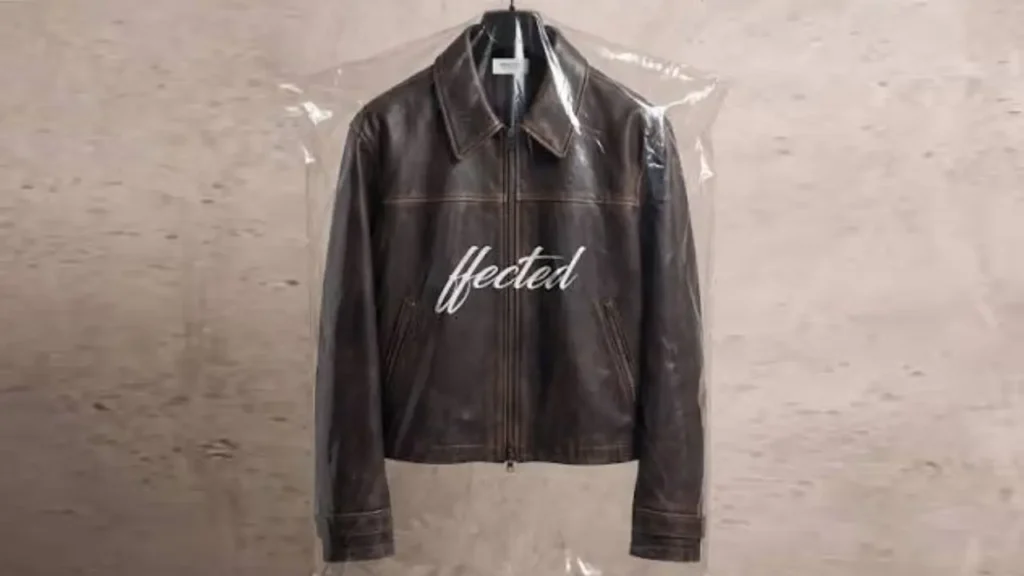
The outer layer is what people see from across the street, so it carries the most weight in how the outfit reads. A bomber, coach jacket, or oversized coat all work, but the key with outer layers is proportion. If your mid layer is already roomy, the outer piece should be a size up at most, not two or three.
Length matters more here than people think. An outer layer that hits right at the hip looks sharp over a longer mid layer, while a longer coat can work if the layers underneath are slim and controlled. Mixing lengths on purpose, rather than by accident, is one of the simplest layering techniques that instantly makes an outfit look intentional.
Don’t ignore the sleeves either. If your outer jacket sleeves are too short, they’ll bunch up your mid layer at the wrist and ruin the line of the whole fit. Try things on together before buying separately, since a jacket that looks great alone can still clash with what you plan to wear under it.
Small Details That Make Layering Look Intentional
Once the three main layers are sorted, small details decide whether the outfit looks styled or accidental. Zippers, drawstrings, and hems should all point in a direction that makes sense, not fighting each other for attention. If your mid layer has a drawstring hood, let it sit outside the outer layer instead of stuffed inside, where it just creates lumps.
Footwear ties layering together more than people expect. Bulky boots under slim pants balance out a heavier top half, while chunky sneakers work better when the upper body stays streamlined. Matching the weight of your shoes to the weight of your layers keeps the whole outfit from feeling top-heavy or bottom-heavy.
Accessories should be minimal when you’re already layering several pieces. A beanie or a simple chain is enough, since the layers themselves are doing the visual work. Overloading accessories on top of three or four clothing layers usually just adds clutter. Good layering techniques rely on restraint as much as they do on the pieces themselves, and knowing when to stop adding is just as important as knowing what to add.
Frequently asked questions
How many layers is too many for a streetwear outfit?
Three layers, base, mid, and outer, is usually the sweet spot. Adding a fourth often only works if one of the existing layers is very thin, otherwise you end up looking stiff instead of styled.
What fabrics work best for layering in cold weather?
Thin technical fabrics or cotton work well as a base layer since they don’t add bulk. Heavier fabrics like fleece or canvas are better saved for the mid or outer layer where some thickness actually helps.
Should layers match in color?
They don’t need to match exactly, but sticking to two or three coordinating tones keeps the outfit from looking chaotic. Neutral layers underneath give you more freedom with a bolder outer piece.