How the Bomber Jacket Became a Streetwear Icon

The Bomber Jacket’s Military Roots
The bomber jacket started as flight gear, built to keep pilots warm at altitude with a snug fit, ribbed cuffs and a zip front that sealed out cold air. That practical design is exactly why it never went out of fashion once it left the air force. A jacket made to survive freezing cockpits turns out to work just as well on a cold walk to the train station. Streetwear borrowed that logic early on, taking a piece built for function and stripping away anything that didn’t serve the wearer on the ground.
Key takeaways
- The bomber jacket’s military design, close fit and ribbed cuffs, made it practical long before it became fashionable
- 1990s hip hop and skate culture pushed the bomber jacket into bold colors and varsity-style detailing, widening its appeal
- A hip-length fit with cuffs hitting the wrist bone keeps the bomber jacket’s silhouette looking right in 2026
What made the bomber jacket different from other military surplus pieces was its shape. It sits close to the body without restricting movement, which meant it layered well over t-shirts and under heavier coats. Skinheads and subculture groups in the UK picked it up in the 1970s and 80s, pairing it with jeans and boots, and that pairing still holds up decades later. The jacket’s boxy cut and short length made it easy to wear with almost anything, which is a big reason it crossed from military wardrobes into civilian closets so fast. Once it had a foothold on the street, the bomber jacket never really left.
People shopping for one this year will find that browsing marlboro clothes online is a straightforward way to see a few bomber styles side by side before deciding on color and fit.
From Subculture Staple to Mainstream Streetwear
By the 1990s the bomber jacket had moved well past its subculture roots and into hip hop and skate culture, where oversized fits and bold colors replaced the plain olive and black of the original military versions. Brands started experimenting with satin finishes, embroidered patches and varsity-style detailing, turning a utility piece into something closer to a statement. That shift mattered because it proved the bomber jacket could carry personality without losing its core shape.
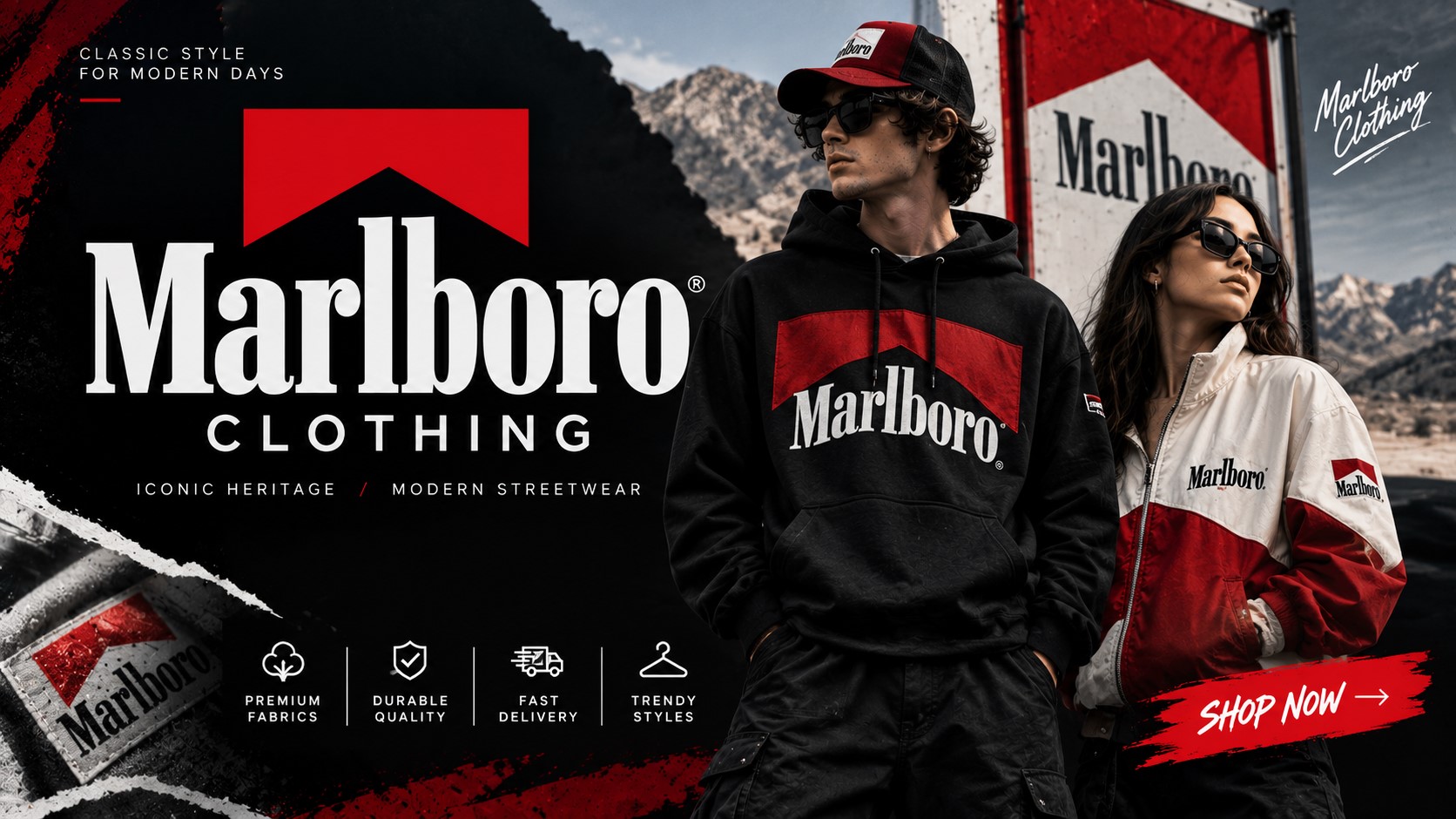
Streetwear as a whole leaned into pieces with history, and the bomber jacket fit that pattern perfectly. It had a story, it was recognizable, and it worked in nearly any climate with the right layering. Shops that focus on streetwear basics have kept that formula alive, and marlboro clothing is one example of a shop built around that kind of everyday wearable piece. The jacket didn’t need reinventing so much as reintroducing, season after season, to new groups of people discovering it for the first time.
Why the Bomber Jacket Still Works in 2026
The bomber jacket keeps showing up in 2026 wardrobes because it solves a real problem: most people need one jacket that works for several temperatures and doesn’t look out of place at a coffee shop or a late-night walk. It isn’t as heavy as a parka, but it blocks wind better than a hoodie, which puts it in a useful middle ground. That’s a big part of why it has outlasted so many other trend pieces.
Fit matters more than people expect. A bomber jacket that’s too long loses the silhouette that made it popular in the first place, so staying close to hip length keeps the proportions right. Sleeve length should hit right at the wrist bone, not past it, so the ribbed cuff can do its job of sealing in warmth. People shopping for one this year will find that browsing marlboro clothes online is a straightforward way to see a few bomber styles side by side before deciding on color and fit. Darker colors like black, navy and olive still pair the easiest with denim, chinos and basic sneakers, which is why they remain the default choice for anyone buying their first one.
Styling a Bomber Jacket for Everyday Wear
Styling a bomber jacket doesn’t require much thought once the fit is right. A plain t-shirt or crewneck underneath keeps the look clean, and straight or slim jeans balance the boxier cut on top. Boots or clean sneakers finish it off without competing for attention. The jacket is meant to be the quiet anchor of an outfit, not the loudest piece in it, so simple pairings tend to work best.
Layering is where the bomber jacket earns its reputation as a year-round piece. In colder months it goes over a hoodie or light sweater, and in milder weather it works alone over a tee. Anyone wanting a reference point for a well-cut version might look at a marlboro jacket to see how the proportions should sit. Accessories should stay minimal: a cap or a simple crossbody bag is plenty. The whole point of the bomber jacket’s staying power is that it does the work on its own, without needing extra pieces to make it look intentional.
Frequently asked questions
What makes a bomber jacket different from a regular jacket
A bomber jacket has a close, boxy fit, ribbed cuffs and hem, and a zip front, all originally designed to seal in warmth for pilots. Regular jackets don’t usually have that tight cuff and hem combination, which is what gives the bomber its distinct silhouette.
Can a bomber jacket be worn in warm weather
Yes, a lighter bomber jacket made from thinner fabric works fine over a t-shirt in mild weather or in the evening. It won’t be as warm as a heavier version, but the shape and look stay the same.
What should I wear under a bomber jacket
A plain t-shirt, crewneck sweater or thin hoodie all work well under a bomber jacket since the fit is close but not restrictive. Avoid anything too bulky underneath or the jacket will stop sitting the way it’s meant to.